Author’s note: I’m writing a series of posts on Zylarthen
not so much to plug it, nor merely because I like talking about my work.
Rather, I think of Zylarthen as sort of a love letter to early OD&D. Thus,
I hope that the design issues I grappled with and the eventual choices I made might be of interest to those who enjoy “thinking about Original Dungeons & Dragons”, whether or not they have read, played, or have any intention of reading or
playing my attempted “re-imagining” of it.
In this post I break down
the precise sources for the various Zylarthen monsters.
In a previous post I wrote
that I decided to include all and only those monsters appearing (in whatever
form) in “official” D&D sources through the fall of 1975—those three
sources being the original 1974 edition of the game (henceforth the three little brown books or 3 LBB’s), the first supplement—Greyhawk—and the first four issues of The Strategic Review. Interestingly,
this cut-off point yielded roughly two hundred distinct creatures, even
excluding most of the various “man-types”—leveled non-player characters, hirelings,
soldiers and the rest—almost triple the initial number of monsters described
and “statted” in the first part of Monsters
& Treasure. The place to begin, though, is with those monsters:
Note: in the following lists, re-imagined creatures,
my own extrapolations and extrapolations based on later sources will generally be denoted by italics.
THE MONSTERS from Monsters & Treasure,
pp. 3-20
Bandits, Basilisks, Berserkers,
Black Pudding, Buccaneers, Cavemen, Centaurs, Chimerae, Cockatrices, Dervishes,
Djinn, Black Dragons, Blue Dragons, Golden Dragons, Green Dragons, Red Dragons,
White Dragons, Dryads, Dwarves, Efreet, Air Elementals, Earth Elementals, Fire
Elementals, Water Elementals, Elves, Gargoyles, Ghouls, Cloud Giants, Fire
Giants, Frost Giants, Hill Giants, Stone Giants, Goblins, Gnoles, Gnomes,
Gorgons, Gray Ooze, Green Slime, Griffins, Hippogriffs, Horses, Mules, Camels, Hydras, Fire Breathing Hydras,
Kobolds, Werebears, Wereboars, Weretigers, Werewolves, Manticoras, Medusae,
Mermen, Minotaurs, Mummies, Nixies, Nomads, Ochre Jelly, Ogres, Orcs, Pegasi,
Pixies, Purple Worms, Rocs, Sea Monsters, Skeletons, Spectres, Treants, Trolls,
Unicorns, Vampires, Lesser Vampires,
Wights, Wraiths, Wyverns, Yellow Mold, Zombies
Number of Monsters: 77.
Notes:
These should obviously make up the core of any OD&D monster list. As it
happens, none of them are non-SRD. A few are extrapolations. So, for example, I
felt that Camels should be added to Horses and Mules, and that Lesser Vampires
(the victims of the Stokeresque Vampires) should be added to Vampires. I
fiddled with Gnomes to make them genuinely strange (as opposed to being merely
more whimsical Dwarves). And I preserved the spelling of “Gnole” from the original Dunsany story as well as ignoring both the initial description of
these monsters—“A cross between Gnomes and Trolls…otherwise they are similar to
Hobgoblins”—and the description that would come a few years later in the
Monster Manual—“There is a great resemblance between Gnolls and Hyenas”—in
favor of leaving them explicitly undescribed, as they are in the story.
OTHER MONSTERS from Monsters & Treasure,
pp. 20-22
Androids, Cyclopes, Gelatinous
Cubes, Flesh Golems, Iron Golems, Stone Golems, Juggernauts, Living Statues, Robots,
Salamanders, Titans
Number of Monsters: 11.
Notes:
Some of these—Gelatinous Cubes, Golems, Salamanders and Titans—would later be
more fully described in Greyhawk. For
the fun of it I named all twelve of the Titans.
MONSTER LEVEL TABLES and WILDERNESS WANDERING
MONSTERS from The Underworld & Wilderness Adventures, pp. 10-11 and
18-19
Apes, Boars, Lions, Snakes,
Spiders, Giant Ants, Giant Beetles, Fire
Beetles, Centipedes, Giant Hogs, Giant Lizards, Giant Rats, Giant
Scorpions, Giant Poisonous Snakes, Giant Spitting Snakes, Huge Spiders, Large
Spiders, Water Spiders, Giant Toads, Giant Weasels, Cave Bears, Dire Wolves, Mammoths,
Mastodons, Saber-Toothed Cats, Spotted Lions, Titanotheres, Wooly Rhinoceroses,
Brontosaurus, Pterodactyls, Stegosaurs, Triceratopses, Tyrannosaurus Rex, Cyborgs,
Doppelgangers, Invisible Stalkers, Shadows, Thoblins,
Apts, Banths, Calots, Darseen, Black Martians, Green Martians, Red Martians, Ancients, Therns, Holy Therns, Lotharians,
Yellow Martians, Orluks, Sith, Tharks, Thoats, White Apes
Number of Monsters: 55.
Notes:
So, counting the Zylarthen extrapolations, the number of these “missing
monsters” almost equals the fully described monsters in Monsters & Treasure. The attentive reader will notice the cases
where I consulted Blackmoor or even
the Monster Manual. But some monsters
such as Giant Ants were intentionally re-imagined. (For the Ants, think those
creepy bugs from that great Outer Limits
episode, “The Zanti Misfits”.) Of course the four varieties of White Martians
are extrapolations based on the actual Burroughs stories. For all Martians, I
learned much from David Bruce Bozarth’s A Barsoom Glossary as well as from the original Warriors of Mars and the
OD&D version by “Doc”.
NAVAL COMBAT in The Underworld & Wilderness
Adventures, pp. 28-35
Giant Crabs, Crocodiles,
Giant Crocodiles, Dragon Turtles, Giant Fish, Giant Leeches, Giant Octopi,
Giant Sea Snakes, Giant Squids
Number of Monsters: 9.
Notes:
Some of these appeared in the earlier encounter tables, and all them (I think) reappeared
in the aquatic-fixated Blackmoor.
Other Monsters from “The Three Little Brown Books”
Amazons, Assassins,
Barbarians, Bats, Huge Bats, Bears, Elephants, Halflings, Prisoners, Rats,
Tigers, Vikings, Witches, Wolves
Number of Monsters: 14.
Notes:
This is perhaps the most interesting group. There are illustrations of Amazons, Barbarians and Witches in Men & Magic, yet these beings were
never described in that source or in any other early source (1974-75) nor have they
been included in any of the retro-clones, as far as I am aware. Witches would
seem to be almost paradigmatic in terms of being staples of fantasy stories as
well as being featured in the classic explanation of the charisma ability score
in Men & Magic. Vikings (or
“Viking” things) are actually mentioned four
times in The Underworld &
Wilderness Adventures but they fell out in later editions I assume because
they were too “historical”. Ditto for Amazons. For Amazons I jettisoned the
sexist (though intriguing!) interpretation that they fought without clothing (I
kept that for Barbarians, and there is historical justification for that) but
kept the fun (for me at least) assumptions concerning body modification and the
rumor that Amazons would temporarily take captured males as lovers. I took some
of the inspiration for Barbarians from the description of them in that great
Avalon Hill wargame Caesar at Alesia, though
inexplicably I forgot to cite it in my otherwise relatively long Sources
section. There’s a fair amount of reference to “prisoners” in the Treasure
Tables of Monsters & Treasure so
I decided to expand on that.
Apollo, Artemis, Athena, Balder the Beautiful,
Girra the Fire God, Ishtar, Isis, Kali, Lakshmi, Manannan the Sea God, Math the
Great Wizard, Odin the One-Eyed, Pan, Set Lord of Shadows, Silvanus, The Spider
God, Thor, Thoth the Terrible, Tsathoggus, Untamo God of Sleep and Dreams
Number of Monsters: 20.
Notes:
As I wrote in the first post, it seemed a no-brainer to include gods and
goddesses alongside the “regular” monsters. But I also thought the wide-open
spirit of the original game dictated including beings from a diversity of
sources—Classical, Egyptian, Norse, Middle-Eastern, Celtic, Finnish and of
course Hyborian. Though most appeared in the 1976 Gods, Demi-Gods & Heroes or its later 1980 incarnation, Deities
& Demigods, the descriptive content was almost entirely taken
from original sources. Unlike for the other monsters, I did not give statistics
to these immortals, believing that that would be a waste of space as well as sending
the wrong message. Any god or goddess could easily defeat a character of any
level if he or she had a mind to, so what’s the point of saying so and so has
300 hit points? But for each god or goddess, I did try to provide meaningful
and useful information on how to actually
include him or her (or his or her followers) in a campaign or adventure, if and when the occasion arose.
Giant Flyers
Bumblebees, Butterflies, Dragonflies,
Eagles, Flies, Hornets, Locusts, Moths
Number of Monsters: 8.
Notes:
Giant Eagles are mentioned in Chainmail,
but the others are extrapolations based on the mention of “Large Insects” or
“Giant Insects” in the rules on Aerial Combat in The Underworld & Wilderness Adventures. It was another way to
be “original” without completely departing from the sources. I thought these
winged critters rounded out the list of standard giant creatures in a way that
was both fun and added to the diversity of things.
Evil Men
Brawlers, Ruffians, Duellists, Black Knights, Rakehells,
Villains, Bravos, Interfectors, Evil Lords, Malefics, Praecantors, Diabolists, Demonurgists,
Black Magicians, Hecatontarchs, Haruspices, Evocators, Incantators, Necromants,
Wizards, Lifters, Snatchers, Fingerers, Harpaces, Sicarians, Phansigars, Thugs,
Evil Thieves, Evil Master Thieves, Evil High Priests or Priestesses, Evil Priests
Number of Monsters: 31.
Lawful Men
Fighters, Pavisers, Thanes, Knights, Guardians,
Defenders, Protectors, Vindicators, Lords, Famuli, Chirosophists, Tregetours, Pellars,
Theurges, Thaumaturges, Talismanists, Solonists, Mirabilists, Magi, Archimagi, Borrowers,
Mousers, Gilters, Dodgers, Coursers, Rescuers, Targeteers, Swordmen, Thieves,
Master Thieves, High Priests or Priestesses, Priests
Number of Monsters: 31.
Notes:
I loved the evocative level titles of
the early version of the original game—another thing that would gradually fall
out over the editions. One thing that virtually everyone has noticed about
Zylarthen is the (mostly) new level titles for both the Lawful and Evil members
of the three main classes. This was done for legal reasons but also for the
sheer fun of it. It’s true that Gygax chose some silly titles, but he also laid
claim to some of the better and more obvious ones, so I can’t say the
enterprise was quick or easy. A number of specialized dictionaries as well as
the OED came in handy here. Zylarthen assumes that player-characters (even
Thieves) are basically good-guys, so titles with sinister, dark or particularly
violent connotations were reserved for the Evil list. Particular effort was
taken to clearly distinguish practitioners of “white magic” from, say, the
“Wizards” of the Old Testament and other historical sources. I think most
people appreciated the new titles, but everyone (including me, secretly) has
their choice for one or two they don’t like. Note that Priests and Evil Priests
only have one level. Since in Zylarthen, priests and evil priests become
non-player characters, I didn’t see a need fuss things up with a full list of
levels. Evil High Priests and High Priests have many of the most powerful
Cleric spells that were not collapsed into the list for Magic-Users (including
Finger of Death for Evil High Priests) but Evil Priests and Priests simply have
a sort of aura, or whatever, around them that helps their friends and harms
their enemies.
Aerial Servants, Blink
Dogs, Bugbears, Cave Creepers, Brass
Dragons, Bronze Dragons, Copper Dragons, Silver Dragons, The Dragon Queen, The
Dragon King, Druids, Storm Giants, False
Gnomes, Half-Elves, Harpies, Hell Hounds, Hobgoblins, Homunculi, Lammasu,
Liches, Lizard Men, Wererats, Ogre Magi, Owl Bears, Paladins, Phase Spiders, Phaetonians, Rust Monsters, Sea Horses, Shift Panthers, Giant Slugs, Stirges,
Giant Ticks, Tritons, Will O’Wisps
Number of Monsters: 35.
Notes:
Even though these are relatively few in number, there are many canonical
ones—so many that some don’t realize they didn’t exist in the original edition.
This is why including Greyhawk was a
must. A few of these as well some from the next two categories were non-SRD creations
that I decided to modify into “science-fictional” or alien creatures. While I initially thought the issue annoying, I
ended up with something I actually preferred, as the Androids, Cyborgs, Robots
and Martians of the 3 LBB’s were now joined by entities hailing from Jupiter
and the surface of the Sun.
Monsters from The
Strategic Review
Clay Golems, Ghosts,
Leprechauns, Lurkers Above, Guardian Nagas, Spirit Nagas, Water Nagas,
Piercers, Rangers, Ropers, Shambling Mounds, Shriekers, Tentacle Men, Wind Walkers, Yeti
Number of Monsters: 14.
Notes:
More canonical monsters. I liked what I did with Ghosts. Note that Zylarthen
does include Rangers and Paladins (see Greyhawk,
above), but only as non-player characters.
I’m sure this was disappointing to many.
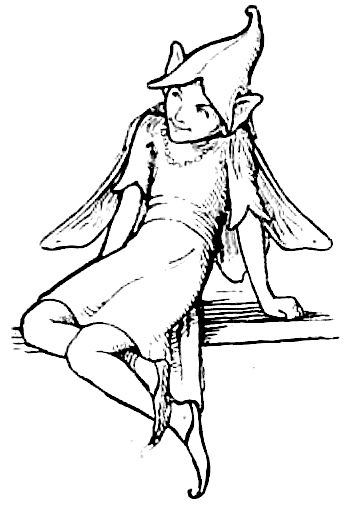
Faeries, Solians, True Wraiths
Number of Monsters: 3.
Notes:
Well, the last two fell out of the original for obvious copyright reasons
(though the middle one would reappear in an inferior form). I decided to
resurrect them.
Soldiers
From Men & Magic: Archers, Armored Foot, Barbarians, Crossbowmen, Heavy
Foot, Heavy Horse, Horse Archers, Horsed Crossbowmen, Light Foot, Light Horse
Bowmen, Light Horse Lancers, Mailed Bowmen (Medium Horse Bowmen), Mailed
Crossbowmen (Heavy Crossbowmen), Medium Horse, Turcopoles
From Chainmail: Knights (Oddly, the term “Knight” appears nowhere in the
3 LBB’s), Javelineers
Extrapolations: Cataphracts, Cheirosiphoneers, Dwarf Guards,
Elf Legionnaires, Halfling Slingers, Hoplites, Irregulars, Koursors, Peltasts, Pikemen,
Mobs, Savages, Slingers, Varangians
Number of Monsters: 31.
Notes:
I thought the original edition was simply begging for a clear and comprehensive
list of soldier variations. And I thought it would be fun to include a table
for the place of origin (native or foreign) and disposition of the soldiers
upon encountering them. You probably don’t want to run into “friendlies”
directly after they just got trounced in battle.
The AD&D Monster Manual
Troglodytes
Number of Monsters: 1.
Notes:
My one concession to post-1975 modernity. Can you fault me?
So that’s the full list, 340
“monsters” if you count them broadly. Virtually all of them also appear in both
the “Monster Encounter Tables” and “Wilderness Encounter Tables” of Zylarthen’s
fourth and final volume—The Campaign.
As with the encounter tables of the first version of the original game, a large
proportion—one-third—are “man-types” of one form or another.
All in all, I’d like to think there’s enough
“new” material to peak even the most veteran OD&D player’s interest.
Notes on Illustrations:
- This
drawing doesn't appear in the Book of Monsters but rather in the Book
of Magic, p. 21. What is it? Perhaps a Homunculus small enough
to conceal itself in its master's mouth. I suppose you need an additional spell
for that. Cropped from an illustration from “The Vision Of
Macconglinney,” in Jacobs, Joseph, More Celtic
Fairy Tales, illustrated by John Dickson Batten, New York: G.P. Putnam’s
Sons, 1895, orig. 1894, p. 73.
- A Pixie from Book of Monsters, p. 47. From “My Own Self,” in Jacobs, More English Fairy Tales, illustrated
by John Dickson Batten, New York: G. P. Putnam’s Sons, 1894, orig. 1893, p. 18.
- A
Witch from Book of Monsters, p. 62.
From ”Morraha,” in More Celtic Fairy
Tales, p. 87.
- An
Evil Man from Book of Monsters, p.
22. Cropped from The Magic Purse, from “The Three
Soldiers,” in Jacobs, Europa’s
Fairy Book, illustrated by John Dickson Batten, New York:
Knickerbocker Press, 1916, p. 73.
- A Ghost, one of the nastiest monsters in any category, from Book of Monsters,
p. 25. Taken
from the chapter illustration for “The Golden Arm,” in Jacobs, English Fairy Tales, illustrated by John
Dickson Batten, New York: G.P. Putnam’s Sons, 1892, orig. 1890, p. 143.